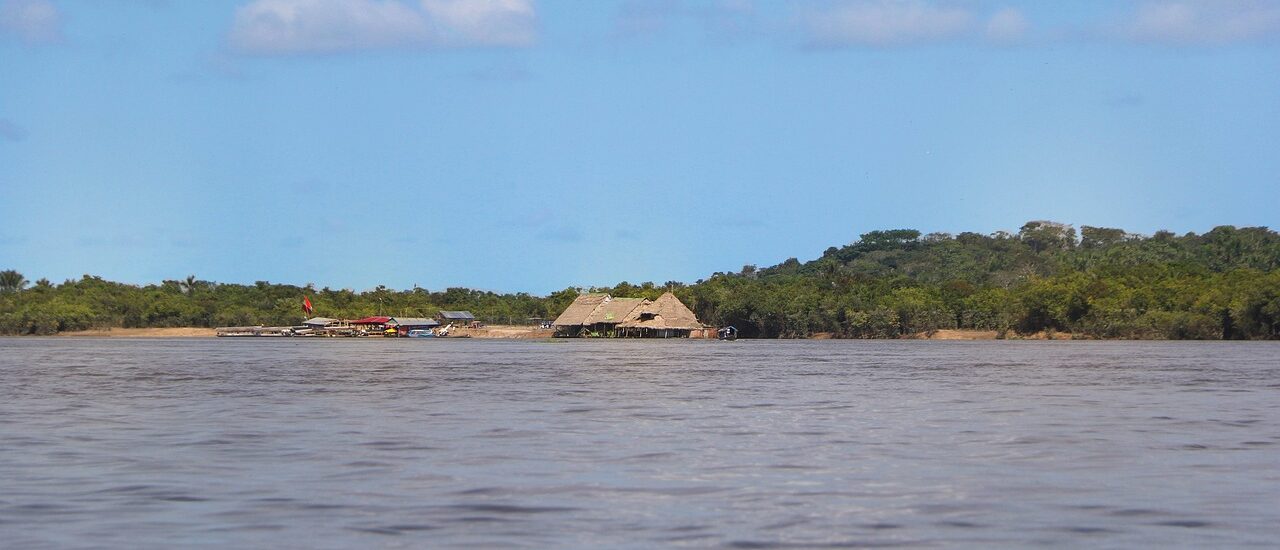
I’ve been knocking around Iquitos for the better part of five years now, watching this jungle city transform from a quirky backwater into ground zero for ayahuasca tourism. Let me tell you what’s really happening in Peru’s “capital of consciousness”—and why most visitors are missing the forest for the trees.
Welcome to the Wild West of Wellness
Picture this: You land at Iquitos airport (because remember, you can’t drive here—we’re surrounded by rainforest), and before your bags hit the carousel, someone’s already trying to sell you a ceremony. The taxi driver knows a shaman. The hotel clerk’s cousin runs a retreat. Hell, even the guy selling jungle juice on the street corner claims his grandma’s a curandera.
This is Iquitos in 2025—a place where ancient medicine meets modern capitalism, and everybody wants a piece of the action.
Don’t get me wrong. There’s real medicine here. Real healers. Real transformation. But for every legitimate curandero carrying generations of plant knowledge, there’s three Americans who did ayahuasca once and decided to open a “healing center.” The trick is knowing the difference, and most tourists don’t.
The Belén Market Reality Check
Want to understand what’s happening? Skip the retreat center tours and head to Belén market at dawn. Watch the real curanderos shopping for their medicine plants. They’re not the ones in the feathered headdresses posing for tourist photos. They’re the quiet ones, carefully selecting mapacho, examining chiric sanango roots, haggling over prices in Shipibo or Quechua.
The Numbers Game Nobody Talks About
Here’s something the retreat centers won’t tell you: Iquitos now has 100’s of operations calling themselves “shamanic healing centers.” The legit ones? Maybe 20. The ones run by actual indigenous practitioners? Less than 10.
The math is depressing. A traditional Shipibo family charging $50 per ceremony, struggling to maintain their ancestral land. Meanwhile, some ex-banker from California charges $500 a night for his “quantum healing sanctuary” complete with WiFi and green juice cleanses.
I’ve watched indigenous maestros—people who’ve dieted with master plants for decades—lose customers to white guys with websites and SEO optimization. It’s colonialism with a spiritual twist, and it’s happening right here in the jungle.
What Traditional Practice Actually Looks Like in Iquitos
Forget what you’ve seen on Netflix documentaries. Real ayahuasca work in the communities around Iquitos isn’t some scheduled wellness experience. Last month, I sat with a Yagua family during a healing ceremony for their grandmother. No paying customers. No integration circles. Just family, medicine, and icaros sung until dawn.
The patient didn’t have visions of cosmic serpents or meet machine elves. She purged, she cried, she slept. By morning, the infection that Western antibiotics couldn’t touch was breaking. That’s what this medicine is for—healing. Not Instagram enlightenment.
These families still practice the old ways. Month-long dietas with specific teacher plants. Years of apprenticeship. Sacrifices that would make Western practitioners quit on day one. They’re the real deal, and they’re being pushed out by ayahuasca tourism’s appetite for quick fixes and comfortable hammocks.
The Spiritual Marketplace of Boulevard
Walk down Boulevard any evening and count the centers promising “authentic shamanic experiences.” The signs are in English. The prices are in dollars. The “shamans” have names like Rainbow Wolf and Cosmic Eagle.
I’m not saying these places can’t facilitate healing. I’ve seen people have breakthroughs with facilitators who learned everything from YouTube. The medicine works despite our bungling. But something essential gets lost when we turn grandmother medicine into a commodity.
Last week, I met a couple who’d paid $3,000 for a week at one of Iquitos’ luxury centers. They had transformative experiences. They felt healed. They also never spoke to an actual indigenous person the entire time. Their “shaman” was from Belgium. Their integration coach was from Berkeley. The only Peruvian they met was the guy who cleaned their room.
That’s modern Iquitos ayahuasca tourism in a nutshell—healing without context, medicine without culture, transformation without responsibility.
The Real Cost of Consciousness Tourism
Here’s what breaks my heart: while retreat centers are building pools and yoga shalas, the communities that preserved this medicine for millennia are struggling. The Shipibo villages along the Ucayali are losing their young people to the cities. The elders who carry the icaros are dying without passing them on. The medicinal plants are being cleared for palm oil plantations.
But sure, let’s build another retreat center with air conditioning.
I know a maestro—legitimately one of the most powerful healers in the Amazon—whose community doesn’t have clean water. He charges locals nothing for healing and asks tourists for donations. Down the road, a retreat run by an ex-tech bro charges $5,000 a week and claims to channel ancient wisdom he learned in a vision after his third ceremony.
Guess who’s booked solid through next year?
When Iquitos Tourism Actually Works
Not everything is doom and exploitation. I’ve seen beautiful examples of East meeting West with respect and reciprocity. There’s a center outside Iquitos where Western investment built infrastructure, but indigenous leadership makes all decisions. The profits fund local education and land preservation. Guests learn about more than just ayahuasca—they understand the worldview that holds it.
Another place brings medical doctors to work alongside curanderos, documenting healing practices while respecting traditional knowledge. They’re building bridges that benefit everyone.
These places exist. They’re just harder to find because they spend money on community support instead of Facebook ads.
The Integration Iquitos Needs
You want to talk about integration? Real integration in Iquitos looks like:
- Learning basic Spanish or even some Shipibo phrases
- Shopping at local markets instead of retreat gift shops
- Understanding that you’re in someone else’s home, not a spiritual playground
- Supporting indigenous-led organizations working on land rights
- Questioning why you need to fly to Peru when there are probably plant medicine practitioners in your own bioregion
One woman I respect came to Iquitos for healing and never left. But instead of opening another retreat center, she started teaching English to Shipibo kids and helping their families navigate the legal system to protect their lands. That’s integration.
The Uncomfortable Mirror
Here’s what ayahuasca tourism in Iquitos reflects back to us: our consumptive approach to everything, even consciousness. We want enlightenment delivered on schedule. We want ancient wisdom with modern comfort. We want to be healed without examining the systems that made us sick.
The jungle holds up a mirror, and sometimes we don’t like what we see. A city transformed by our appetites. A sacred tradition warped by market forces. Indigenous poverty alongside spiritual wealth extracted and repackaged for Western consumption.
The medicine still works. People still heal. Lives still transform. But at what cost? And to whom?
If You’re Still Coming to Iquitos
Look, I’m not saying don’t come. The plants are calling people for reasons beyond our understanding. But if you’re going to answer that call, do it consciously:
- Research who actually owns and operates the center
- Learn about the specific tradition you’re entering
- Plan to stay longer than a week—real healing takes time
- Consider how you’ll give back beyond your retreat payment
- Question centers that schedule ceremonies every single night
- Be suspicious of anyone calling themselves a “shaman” in English
The Future of Medicine in the Venice of the Jungle
Iquitos stands at a crossroads. It could become another Tulum—spiritually themed but culturally hollow. Or it could model a new way of sharing indigenous wisdom that actually benefits indigenous people.
The choice isn’t really in the hands of retreat owners or even local government. It’s in the hands of every person who books a flight to Francisco Vigo International Airport seeking healing. Will we show up as conscious participants or spiritual consumers? Will we support the real medicine keepers or the best marketers?
A Recommendation Worth Making
If you’re serious about working with ayahuasca in Iquitos—not just checking off a bucket list item—I’ll point you toward Planta Maestra Ayahuasca. They’re doing it right: indigenous leadership, cultural education alongside ceremony, and a genuine commitment to preserving traditional practice while welcoming Western seekers. Danny the owner will even take you on a guide tour and make it more of a holiday for you also.
More importantly, they’ll tell you the truth: this medicine isn’t about your personal transformation. It’s about remembering our place in the web of life. It’s about healing the relationship between humans and nature. It’s about waking up to what we’re doing to this planet and each other. This place would have to be one of the more authentic places to visit.
That’s the message from the plants. Whether we hear it over the noise of Iquitos’ booming ayahuasca industry—well, that’s up to us.
Still here in Iquitos, still learning, still watching this beautiful chaos unfold. The medicine keeps teaching patience while the city keeps testing it. If you make it down here, look past the neon signs and Facebook promises. The real magic is quieter, older, and infinitely more patient than our tourist timelines allow.